Solar panels with outlets have become a popular choice for travelers, campers, and anyone who wants simple, portable solar power without complex setups. By allowing devices to plug in directly, these panels make solar energy more accessible for everyday use. However, not all models deliver the same performance or convenience. To choose the right panel, it’s important to understand which features truly matter and how they affect real-world usability. The following guide breaks down the most important features to consider before buying.
Key Features That Make Solar Panels With Outlets Truly Useful
Solar panels with outlets are designed for simplicity, but smart design details can make a big difference in performance and reliability.
Built-In Outlet Types and Charging Options
The most defining feature is the type of outlets included. Look for panels that offer common ports such as USB-A and USB-C, which cover most modern devices. USB-C support is especially important for faster charging of newer smartphones, tablets, and cameras. Solar panels like the Anker SOLIX PS30 include both USB-A and USB-C ports, making them flexible enough to charge multiple devices without adapters.
Power Output That Matches Your Device Needs
Wattage determines how quickly devices charge and whether you can power more than one at a time. Panels in the 20W–30W range are great for phones, tablets, and small electronics. A 30W panel can usually handle multiple devices under good sunlight conditions. Choosing adequate output ensures you’re not waiting hours just to top up a battery.
Portability and Foldable Design
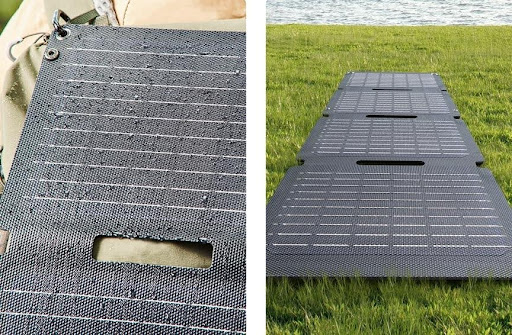
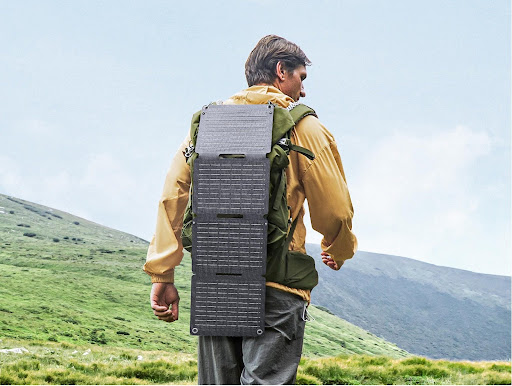
Solar panels with outlets are often used on the move, so portability matters. Lightweight, foldable designs are easier to pack and carry, especially for hiking or travel. Features like built-in handles or carabiners add convenience, allowing panels to be clipped to backpacks or tents. Compact folding also makes storage easier when the panel isn’t in use.
Weather Resistance for Outdoor Reliability
Because these panels are frequently used outdoors, weather resistance is essential. Look for panels with water- and dust-resistant ratings that protect against rain and splashes. An IP65 rating, for example, indicates that the panel can withstand outdoor conditions without performance loss. This durability ensures consistent charging during camping trips or unexpected weather changes.
Stable and Safe Power Regulation
Solar panels with outlets should include internal power regulation to protect connected devices. Sunlight intensity can change quickly, and without proper regulation, devices may charge inconsistently. Quality panels manage voltage and current automatically, providing stable power even when clouds pass or sunlight shifts.
Ease of Setup and Everyday Usability
One of the main reasons people choose panels with outlets is simplicity. The best models require no technical knowledge—just unfold, place in sunlight, and plug in. Adjustable positioning or flexible placement options can further improve charging efficiency throughout the day without complicated adjustments.
Warranty and Brand Reliability
A good warranty reflects confidence in product quality. Solar panels with outlets are often used in demanding environments, so manufacturer support matters. Brands like Anker typically offer clear warranties and responsive customer service, adding peace of mind for long-term use.
Conclusion
Overall, solar panels with outlets offer a simple and portable way to harness solar energy for everyday devices. By focusing on key features like solar outlet types, power output, portability, weather resistance, and build quality, you can choose a panel that fits your lifestyle. Models such as the Anker SOLIX PS30 highlight how thoughtful design can deliver reliable, hassle-free charging on the go. When chosen carefully, solar panels with outlets become a convenient, eco-friendly solution for staying powered wherever sunlight is available.