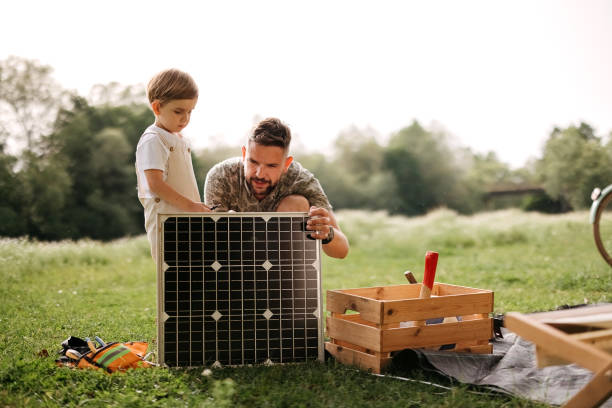
Solar powered generators have surged in popularity due to their eco-friendliness and renewable energy capabilities. As people seek greener alternatives to traditional power sources, these generators offer an attractive option. They harness the sun’s energy to provide clean, portable power, making them invaluable during emergencies, outdoor adventures, or even for off-grid living. With no emissions and minimal maintenance, solar generators present a sustainable way to meet your energy needs. Incorporating this technology can significantly reduce your carbon footprint while ensuring power reliability. Let’s explore what makes them essential and how to choose the right one.

Understanding Solar Powered Generators Basics
How a Solar Powered Generator Works Step by Step
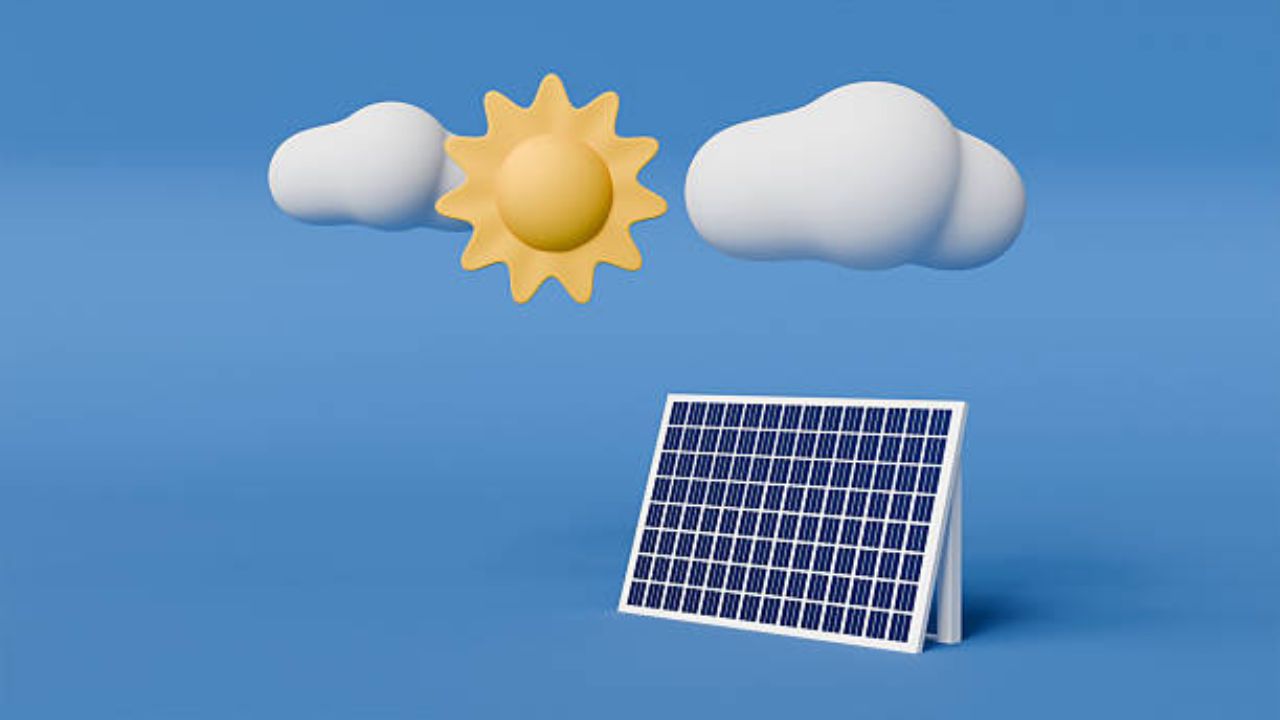
Solar powered generators operate by capturing sunlight through photovoltaic panels and converting it into electricity. The process begins as the panels absorb sunlight, generating direct current (DC) electricity. This electricity is then sent to the generator’s internal battery, where it is stored until needed. The battery plays a crucial role, as it ensures power availability even when the sun isn’t shining. An inverter within the generator then converts the stored DC electricity to alternating current (AC), which powers homes and devices. This step-by-step process provides a seamless energy source that’s both reliable and sustainable.
Key Components Explained: Battery, Inverter, Panels, Controller
The effectiveness of solar powered generators hinges on four main components: the battery, inverter, panels, and controller. Batteries store the converted solar energy for later use, with lithium-ion batteries being the most popular due to their efficiency and longevity. Inverters are essential for converting stored DC power into AC, which can be used by most household appliances. Solar panels, the generator’s power source, are responsible for capturing and converting sunlight into electricity. Lastly, the charge controller regulates the energy flow, preventing battery overload and ensuring optimal operation. A harmony of these components guarantees your generator’s efficiency and durability.
How to Choose the Right Solar Generator for Your Needs
Power Output, Capacity, and What You Can Actually Run
When selecting a solar generator, it’s crucial to understand your energy requirements. Consider the power output, which determines what and how many devices you can run simultaneously. A generator’s capacity, measured in watt-hours (Wh), signifies how much energy it can store. For instance, powering essential appliances like refrigerators, lights, and medical devices requires a generator with a higher capacity. Determine your typical usage and check the wattage of devices to ensure compatibility. By doing so, you can avoid overloading the generator and ensure you have ample power for your needs.
Portability, Charging Speed, and Real-Life Use Scenarios
Portability and charging speed are key factors when choosing a solar generator. Assess the generator’s weight and design to ensure it’s easy to transport—an important feature for camping or emergency scenarios. Charging speed is another vital consideration; fast-charging models like the Anker SOLIX F2000 can recharge from 0 to 80% in just 1.4 hours, offering rapid energy replenishment. Real-life applications range from outdoor activities and remote work setups to emergency preparedness. Understanding these factors ensures you select a generator that meets your lifestyle and energy demands effectively.
Comparing Brands, Features, and Real Products
What Sets Quality Brands Apart in the Solar Generator Market
In a crowded market, identifying standout brands involves examining their commitment to quality and innovation. Reputable brands often offer advanced technology, superior battery life, and comprehensive warranties. Anker, known for its InfiniPower™ Technology, ensures durability with a 10-year lifespan on its solar generators. Consider brands that provide user-friendly features, such as app integration and multiple charging ports. These elements indicate a brand’s dedication to customer satisfaction and product excellence, helping them stand out in a competitive market, ensuring you receive a reliable and efficient generator.
Beginner-Friendly Options from Anker SOLIX Solar Generators
Anker SOLIX offers excellent options for beginners, combining ease of use with advanced features. Notably, the Anker SOLIX F2000 comes with a 400W solar panel and offers an impressive battery lifespan due to InfiniPower™ Technology. This model recharges rapidly, powering up to 12 devices at a time through 2400W access and 12 ports. With Smart App Energy Control, users can remotely monitor and manage their power settings via WiFi and Bluetooth. Anker also provides a 5-year warranty, ensuring peace of mind with their long-term, reliable performance.

Conclusion
Embarking on your solar generator journey requires careful consideration of your power needs, generator capacity, and the reliability of the brand. With advancements in technology, solar generators like Anker SOLIX offer robust, user-friendly options perfect for beginners. By evaluating essential features and understanding key components, you can make an informed, confident purchase. As you embrace this sustainable energy solution, you contribute to a greener future while ensuring dependable power in any situation. Whether for outdoor adventures or emergency backup, a solar-powered generator is a wise investment for reliable, clean energy.