In our everyday lives, we constantly experience contrasts. From day and night to joy and sorrow, from logic and emotion to simplicity and complexity, opposites shape our perception of the world. This concept is often referred to as dichosity—the presence and interaction of opposing forces that help us understand reality.
Dichosity is not just an abstract idea. It influences the way we think, feel, and make decisions. By exploring duality, we can better understand human behavior, communication, and the way societies operate.
What Is Dichosity?
At its core, dichosity is the recognition of dual forces and their interaction. It shows that many aspects of life are not purely one-sided. Instead, opposing elements often exist in balance or tension.
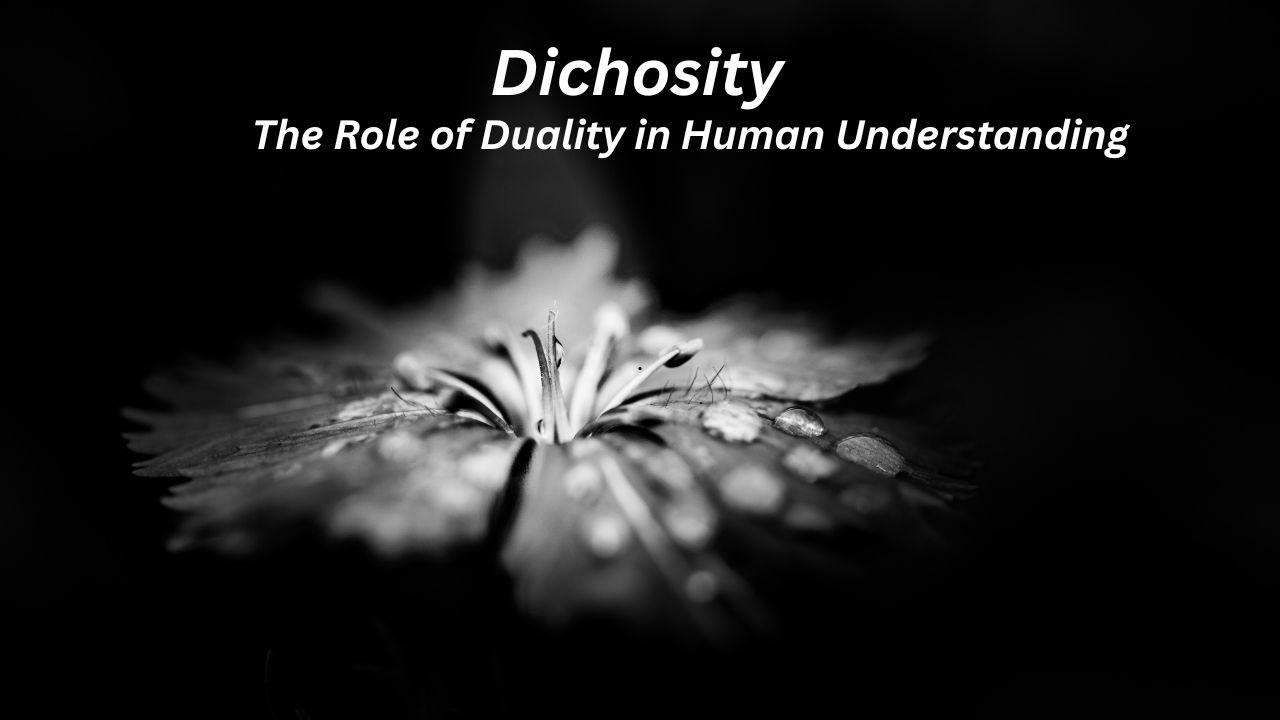
For example, consider light and shadow. One cannot exist without the other. Similarly, emotions like happiness and sadness are intertwined. By understanding dichosity, we gain insight into the complex nature of experience.
This concept applies across disciplines—from psychology and philosophy to art, culture, and decision-making. Dichosity highlights that contrasts are not obstacles but essential parts of understanding.
The Role of Duality in Human Perception
Human perception relies heavily on comparison. We understand concepts better when we see their opposites. For instance, we appreciate happiness because we have experienced sadness.
Duality also shapes our thinking. Logic exists in tension with emotion, reason with intuition. Decisions are rarely purely rational or purely emotional—they emerge from the interplay of both. Dichosity explains this balance and why humans often struggle to choose between conflicting desires or ideas.
Dichosity in Psychology
Psychologists often explore dichotic forces in human behavior. For instance, Carl Jung discussed the shadow self, representing the hidden or suppressed aspects of our personality. Recognizing these opposites helps individuals achieve balance and personal growth.
Emotional dichotomy is another area of interest. Humans frequently experience conflicting emotions at the same time—love and fear, hope and doubt. Dichosity helps psychologists understand why individuals behave inconsistently or struggle with internal conflicts.
Dichosity in Decision-Making
Every day, we face choices influenced by dichotic forces. Consider risk versus reward. Decision-making involves weighing opposing outcomes. Too much focus on risk may prevent action, while ignoring potential consequences can lead to mistakes.
Similarly, work-life balance is a dichotic challenge. Professionals must manage career ambitions against personal needs. Understanding dichosity allows individuals to recognize these tensions and make thoughtful choices rather than reacting impulsively.
Dichosity in Communication
Communication is another area where duality plays a role. Words can convey both literal and emotional meaning, creating tension between what is said and what is felt. Understanding dichosity helps people interpret tone, context, and intention more accurately.
Cultural dichotomy also influences communication. In some cultures, indirect communication is valued, while others prefer direct expression. Recognizing these differences is essential for effective interaction and avoiding misunderstandings.
Dichosity in Culture and Art
Artists often explore dichotic themes to reflect human experience. For example, literature, paintings, and music frequently juxtapose light and dark, love and loss, order and chaos. These contrasts make art relatable and emotionally resonant.
Cultural dichotomy also exists in traditions and values. Societies balance progress with tradition, individuality with community, and freedom with responsibility. Dichosity helps explain how civilizations adapt and evolve while maintaining equilibrium.
Dichosity in Science and Nature
Even in nature, dichosity is evident. Day and night, seasons, predator and prey, growth and decay—all demonstrate the balance of opposites. Scientists recognize that duality often drives systems toward stability.
In physics, concepts like matter and antimatter, energy and entropy, or action and reaction illustrate dichotic principles. Understanding dichosity allows researchers to explore patterns and relationships that might otherwise seem contradictory.
Applying Dichosity to Personal Growth
Recognizing dichotic forces in life can improve personal development. Here’s how:
- Self-awareness: Understanding internal contradictions helps individuals make balanced decisions.
- Emotional intelligence: Accepting opposing emotions allows for healthier relationships and better coping strategies.
- Adaptability: Recognizing dualities in challenges promotes flexibility and resilience.
By applying dichosity, people can approach life with a nuanced perspective rather than seeing issues as black and white.
Dichosity in Problem-Solving
Problem-solving often involves reconciling opposing ideas. Creativity emerges when contradictions are balanced. For example:
- Innovation: Combining traditional and modern approaches can generate new solutions.
- Conflict resolution: Understanding differing viewpoints helps mediate disputes.
- Strategy: Considering short-term versus long-term outcomes allows for more informed decisions.
Dichosity encourages thoughtful exploration rather than choosing extremes.
The Interplay Between Dichosis and Identity
Human identity is shaped by duality. Each person balances multiple roles, such as parent and professional, student and mentor, introvert and extrovert. Recognizing dichosis allows individuals to embrace these contrasting aspects without feeling conflicted.
This understanding also improves empathy. When we see others as complex beings shaped by opposing forces, communication and relationships deepen. Dichosity shows that contradictions are natural, not a sign of weakness.
Practical Examples of Dichosity in Life
- Health: Balancing diet and exercise with rest and indulgence.
- Finance: Saving money while enjoying life’s pleasures.
- Education: Combining theoretical knowledge with practical experience.
- Technology: Using digital tools effectively while avoiding over-dependence.
These examples illustrate how duality is embedded in everyday choices.
Benefits of Understanding Dichosity
Understanding dichosity offers several benefits:
- Clarity: Seeing opposing forces clearly helps in making informed decisions.
- Balance: Encourages moderation rather than extremes.
- Empathy: Helps understand others’ perspectives and contradictions.
- Resilience: Accepting duality makes individuals adaptable to change.
- Creativity: Contrasts can inspire innovation and problem-solving.
Recognizing dichotic patterns allows people to navigate complex situations with confidence.
Challenges of Dichosity
While understanding duality is useful, it also presents challenges:
- Overthinking: Constantly analyzing opposites can lead to indecision.
- Conflicts: Balancing extremes may create tension in relationships or work.
- Ambiguity: Not all dichotomies are clear-cut; some situations remain uncertain.
Awareness and mindful practice can help overcome these challenges.
Dichosity in Modern Digital Life
In today’s digital world, dichosity appears in online behavior:
- Social media creates tension between privacy and sharing.
- Digital engagement balances authenticity with performance.
- Technology offers convenience but may reduce personal connection.
Recognizing these contrasts can help users navigate platforms thoughtfully.
The Future of Dichosity
As society evolves, dichosis will continue to shape understanding. Emerging technologies, cultural shifts, and scientific discoveries will present new dualities to navigate. Those who embrace dichosity can adapt more easily, solve problems creatively, and interpret complex phenomena.
The principles of duality remain timeless: contrasts define life, guide perception, and inspire understanding.
Conclusion
Dichosity is more than just opposites—it is a framework for understanding life, human behavior, and society. By exploring duality in perception, emotion, decision-making, communication, and culture, we gain clarity and balance.
From personal growth to creativity, from science to digital life, dichosity offers insight into complexity. Recognizing and embracing opposing forces allows humans to navigate challenges, make thoughtful decisions, and appreciate the full spectrum of experience.
In a world defined by contrasts, understanding dichosity is essential for insight, empathy, and meaningful engagement.