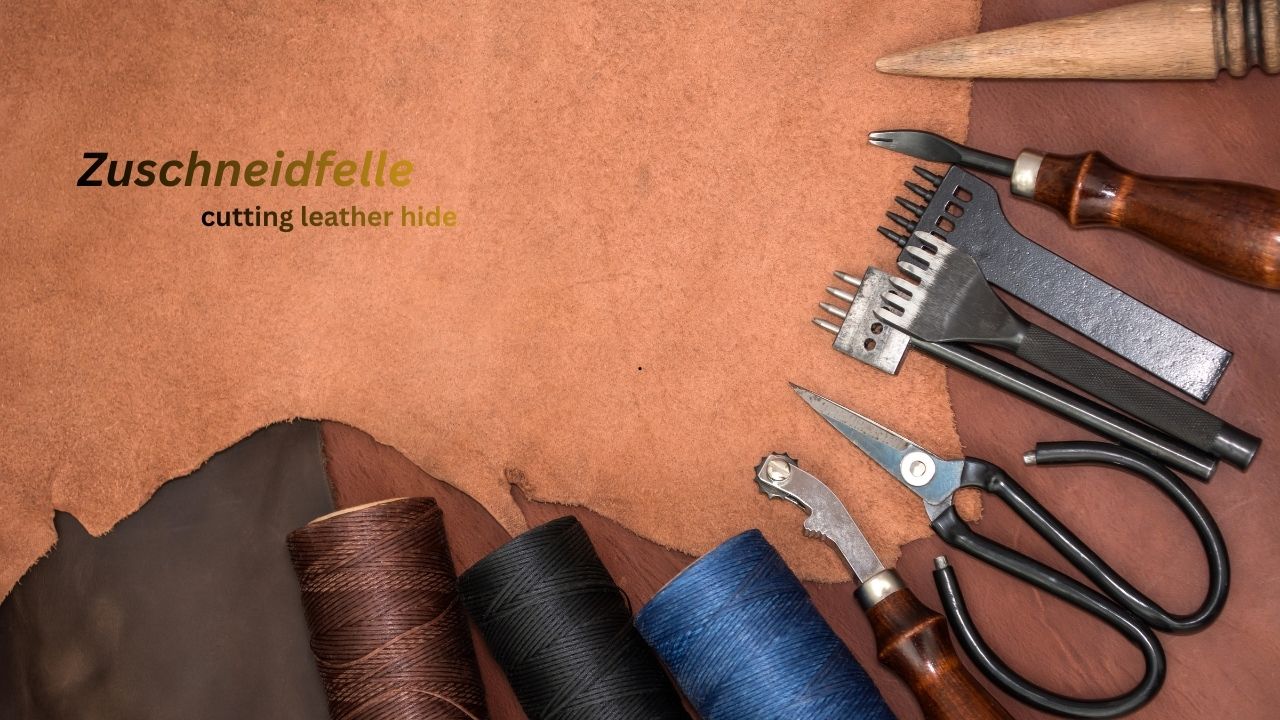
Leathercraft is an art that combines skill, creativity, and precision. One term that often comes up in German leatherworking circles is Zuschneidfelle. This word may sound complicated at first, but it carries a very practical meaning for anyone working with leather. In simple terms, Zuschneidfelle refers to cut-to-size hides that are ready for use in crafting projects. Unlike raw hides, which require trimming, cleaning, and careful evaluation, Zuschneidfelle saves time and ensures consistent quality for artisans.
In this article, we will explore the meaning of Zuschneidfelle, its origins in German leathercraft, the practical benefits it offers, and why it has become a preferred choice for leatherworkers around the world.
Understanding Zuschneidfelle
The word Zuschneidfelle comes from German, combining “zuschneiden,” which means to cut precisely or tailor, and “Fell,” meaning hide. Together, it literally translates to “cut-to-size hides.”
This definition alone highlights its main advantage: pre-cut leather that is ready for immediate use. Traditional raw hides often come with uneven edges, variable thickness, and imperfections that require additional preparation. Zuschneidfelle eliminates these issues, giving leatherworkers a more predictable and easier-to-handle material.
For artisans who want precision, consistency, and less wasted time, Zuschneidfelle is a game-changer. Whether you are making wallets, belts, bags, or small decorative items, these cut-to-size hides provide a reliable starting point.
Origins in German Leathercraft
Germany has a long history of leatherworking, with techniques and terminology developed over centuries. Leather was used not only for clothing and footwear but also for saddlery, furniture, and industrial purposes.
The concept of Zuschneidfelle emerged as artisans sought more efficiency in their work. Instead of spending hours preparing raw hides, craftsmen began offering pre-cut pieces tailored for specific projects. This approach allowed artisans to focus more on creativity and skill rather than preparation.
Over time, the term has become standard in German leathercraft, appearing in guides, toolkits, and even commercial listings for leather materials, showing how digital content meaning can preserve traditional practices for modern artisans.. Its adoption illustrates how practical solutions can influence craft traditions and make them more accessible to modern artisans.
The Practical Benefits of Zuschneidfelle
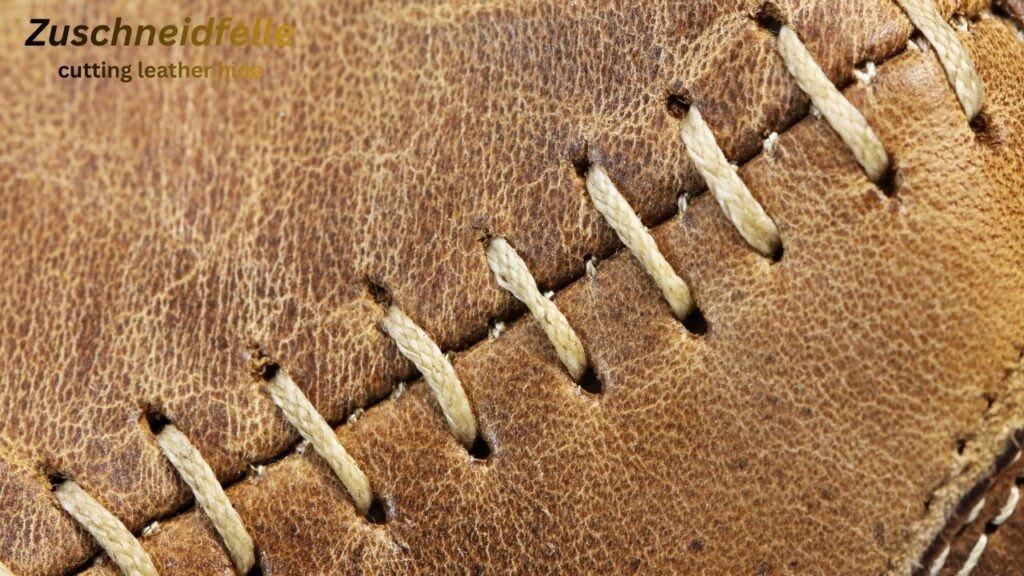
Zuschneidfelle offers several advantages compared to traditional raw hides.
1. Saves Time and Effort
Working with raw hides requires trimming irregular edges, checking for defects, and sometimes splitting the hide for the correct thickness. Zuschneidfelle eliminates most of these steps. Artisans can start their projects immediately, which is especially helpful for beginners or for mass production in small workshops.
2. Consistent Quality
Every piece of Zuschneidfelle is carefully cut to standard sizes and thicknesses. This consistency ensures that finished products are uniform and professional-looking. For example, if you are making multiple wallets, using pre-cut hides guarantees that each piece has the same dimensions.
3. Reduces Waste
Raw hides often contain unusable sections. With Zuschneidfelle, you are working only with usable leather, reducing waste and making material costs more predictable. This benefit is both economical and environmentally friendly.
4. Easier to Store and Handle
Cut-to-size hides are easier to store than large raw hides. They can be stacked neatly, labeled, and accessed quickly when needed. This organizational advantage is especially helpful for workshops that handle multiple projects at the same time.
Common Uses of Zuschneidfelle in Leathercraft
Zuschneidfelle is versatile and can be used for a wide range of projects. Some common applications include:
- Wallets and Pouches: Pre-cut hides ensure uniformity in small leather goods.
- Belts and Straps: Consistent thickness makes cutting and finishing easier.
- Bags and Backpacks: Saves preparation time for larger projects.
- Decorative Items: Leather patches, coasters, and ornaments benefit from precise sizing.
- Repair and Restoration Work: Pre-cut hides can match dimensions for replacements in old items.
Because Zuschneidfelle comes in different types of leather—such as cowhide, sheepskin, or goatskin—artisans can choose the material that best suits their project’s look and feel.
How to Choose the Right Zuschneidfelle
When selecting Zuschneidfelle, it is important to consider a few factors to ensure your project’s success, just like understanding the keyword context ensures accurate results in digital work.
Leather Type
Different hides have different textures, durability, and flexibility. Cowhide is strong and sturdy, while goatskin is softer and easier to manipulate. Choose based on the project requirements.
Thickness
Zuschneidfelle comes in various thicknesses, typically measured in millimeters. Wallets may require thinner hides for easy folding, while belts need thicker hides for strength.
Color and Finish
Some projects benefit from natural, vegetable-tanned hides, while others may require dyed or polished finishes. Check the color and finish to match your design vision.
Size
Ensure that the pre-cut hide is large enough for your intended project. Many suppliers offer standardized sizes that fit most small to medium projects, but larger projects may require multiple pieces.
Working with Zuschneidfelle
Even though Zuschneidfelle is pre-cut, there are some best practices for working with it:
- Condition the Leather: Use leather conditioner or oil to soften the hide before cutting or stitching.
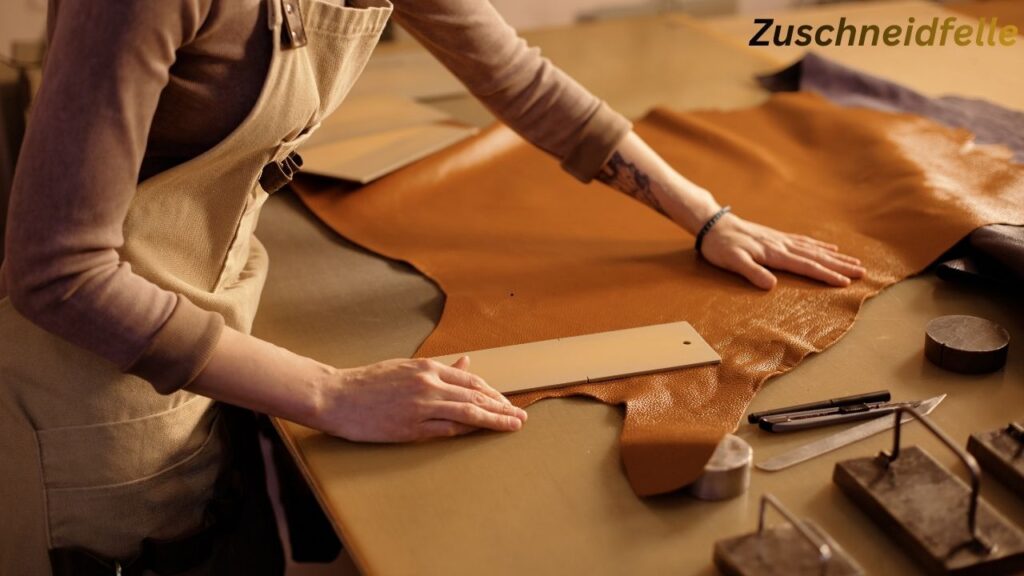
- Mark and Plan Cuts: Even pre-cut hides may need additional trimming or shaping. Use a template or ruler to mark cuts.
- Use Proper Tools: Sharp knives, rotary cutters, and edge tools improve precision and reduce mistakes.
- Stitch Carefully: When sewing, ensure your stitches follow the natural grain to avoid weakening the hide.
Following these simple steps allows artisans to get the best results from Zuschneidfelle.
Advantages Over Raw Hides
Comparing Zuschneidfelle to raw hides highlights why it is preferred by many leatherworkers:
- Time-Saving: No need for extensive preparation.
- Uniformity: Pre-cut sizes reduce variation between pieces.
- Less Skill Required for Beginners: New artisans can start crafting without mastering hide preparation first.
- Reduced Risk of Errors: Cutting mistakes are minimized since the hides are already standardized.
For both hobbyists and professionals, these advantages make Zuschneidfelle a practical choice.
Storage and Care Tips
To keep Zuschneidfelle in good condition:
- Store in a cool, dry place away from direct sunlight.
- Avoid folding the hides; stack them flat to prevent creases.
- Use breathable covers to prevent moisture buildup.
- Check periodically for dryness or mold and condition if necessary.
Proper storage ensures that the hides remain ready-to-use and maintain their quality over time.
Where to Buy Zuschneidfelle
Zuschneidfelle can be purchased from specialty leathercraft suppliers, both online and offline. Many German suppliers ship internationally, offering various sizes, types, and finishes.
When purchasing, check:
- Leather Type: Choose according to project needs.
- Dimensions: Make sure the hide is large enough for your work.
- Supplier Reputation: Look for reviews and quality guarantees.
Investing in good-quality Zuschneidfelle saves time and improves the final quality of your leather projects.
Final Thoughts
Zuschneidfelle is a term every leatherworker should know. Its meaning—cut-to-size hides—reflects a simple but powerful idea: saving time and improving efficiency without sacrificing quality. From historical German leathercraft traditions to modern workshops worldwide, Zuschneidfelle has become a practical and valuable material for artisans.
By using pre-cut hides, leatherworkers can focus on creativity, precision, and finishing techniques rather than preparation. Whether you are a hobbyist or a professional craftsman, integrating Zuschneidfelle into your projects will streamline your work and make your results more consistent and polished.
Understanding the meaning, benefits, and best practices for using Zuschneidfelle can help both beginners and experienced artisans create beautiful leather goods with less stress and more confidence.
FAQS
Zuschneidfelle is a German term that means cut-to-size leather hides. It refers to pre-cut pieces of leather ready for crafting. These hides save time, reduce waste, and provide consistent quality, making leatherworking easier for both beginners and experienced artisans.
Zuschneidfelle are important because they allow artisans to start projects without trimming raw hides. They provide uniform size, thickness, and quality, which helps create professional and precise leather products. This makes crafting faster and more efficient.
Zuschneidfelle can be used for wallets, belts, bags, decorative items, and small leather crafts. Their pre-cut size ensures uniformity, making them ideal for both small and medium leather projects.
Using Zuschneidfelle eliminates the need to trim, measure, and prepare raw hides. Leatherworkers can start crafting immediately, saving hours of preparation and reducing mistakes, making the process smoother and faster.
High-quality Zuschneidfelle can be purchased from specialized leathercraft suppliers, online shops, and German leather material stores. Look for reliable sellers that offer consistent size, thickness, and premium leather types suitable for crafting.